Hey there, fellow snooker enthusiasts! I'm an avid snooker cue supplier, and I'm stoked to share some insights about the tip size of a snooker cue. It's a topic that often gets overlooked but can have a huge impact on your game.
Let's start by understanding what the tip of a snooker cue is. The tip is the small, round piece at the end of the cue that makes contact with the ball. It's usually made of leather and comes in various sizes. The size of the tip can affect how you play, your control, and the amount of spin you can put on the ball.
Why Tip Size Matters
The tip size is a crucial factor because it determines the amount of surface area that comes into contact with the ball. A smaller tip provides more precision and control, allowing you to make more accurate shots. On the other hand, a larger tip offers more power and is better for beginners or players who prefer a more aggressive style of play.
Common Tip Sizes
The most common tip sizes for snooker cues range from 9mm to 10.5mm. Here's a breakdown of what each size is best for:
- 9mm Tip: This is the smallest tip size commonly used in snooker. It's ideal for players who have a high level of skill and precision. With a 9mm tip, you can make very accurate shots and put a lot of spin on the ball. However, it requires a steady hand and good technique.
- 9.5mm Tip: This is a popular choice among intermediate players. It offers a good balance between precision and power. You can still make accurate shots, but it's a bit easier to control than a 9mm tip.
- 10mm Tip: A 10mm tip is a great option for beginners. It provides more power and is easier to use than a smaller tip. It's also a good choice for players who like to play a more aggressive style of game.
- 10.5mm Tip: This is the largest tip size commonly used in snooker. It offers the most power and is the easiest to control. It's a good choice for players who are just starting out or who prefer a more forgiving cue.
Choosing the Right Tip Size
Choosing the right tip size depends on your skill level, playing style, and personal preference. Here are some things to consider when making your decision:


- Skill Level: If you're a beginner, it's best to start with a larger tip size. This will make it easier for you to control the cue and make shots. As you improve your skills, you can gradually switch to a smaller tip size.
- Playing Style: If you prefer a more precise and controlled style of play, a smaller tip size is a better choice. If you like to play a more aggressive style of game, a larger tip size may be more suitable.
- Personal Preference: Ultimately, the best tip size is the one that feels comfortable for you. Try out different tip sizes and see which one you like the best.
Our Snooker Cue Products
As a snooker cue supplier, we offer a wide range of cues with different tip sizes to suit every player's needs. Here are some of our popular products:
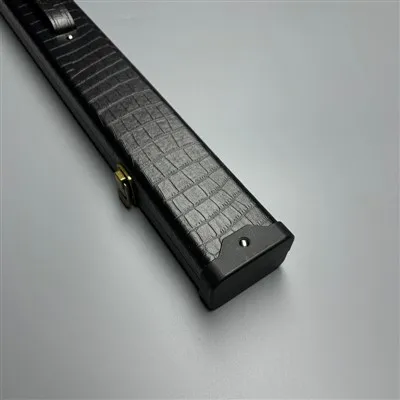
- 1 Piece Snooker Cue Tube: This one-piece snooker cue tube is made of high-quality materials and is available in various tip sizes. It's a great option for players who want a simple and reliable cue.
- One-piece Carbon Fiber Pool Cue: Our one-piece carbon fiber pool cue is lightweight and durable. It offers excellent control and power, making it a popular choice among professional players. It's available in different tip sizes to meet your specific needs.
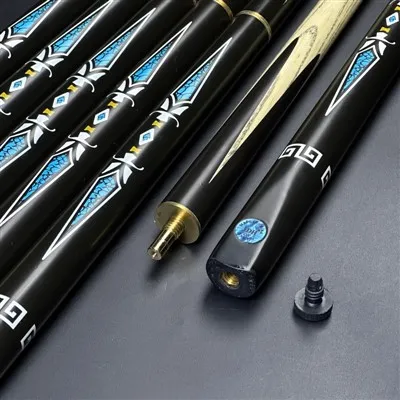
- Two Piece Pool Cue: This two-piece pool cue is easy to transport and assemble. It's a great option for players who travel frequently or who want a cue that can be easily stored. It comes in a variety of tip sizes and styles.
Conclusion
In conclusion, the tip size of a snooker cue is an important factor that can affect your game. By choosing the right tip size, you can improve your precision, control, and power. Whether you're a beginner or a professional player, we have a snooker cue that's right for you.
If you're interested in purchasing a snooker cue or have any questions about tip sizes, feel free to contact us. We're here to help you find the perfect cue for your game.
References
- "The Complete Guide to Snooker Cues" by Billiards Digest
- "Snooker: The Ultimate Guide" by World Snooker