In the world of pool, a game that combines skill, strategy, and precision, every component of a pool cue plays a crucial role in determining the outcome of a shot. Among these components, the ferrule stands out as a small yet significant part that can greatly influence a player's performance. As a pool cue supplier, I've witnessed firsthand the impact that a well - designed ferrule can have on a cue's functionality and the overall playing experience. In this blog, I'll delve into the role of the ferrule in a pool cue, exploring its functions, materials, and how it affects the game.
The Basics of a Ferrule
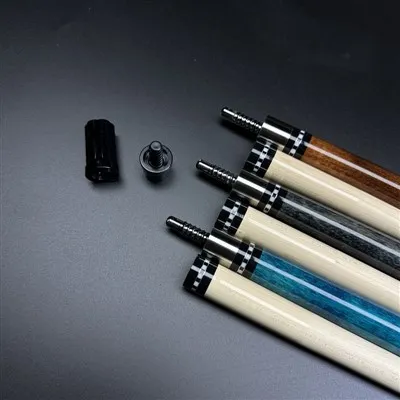
The ferrule is the small, usually cylindrical piece located at the tip end of a pool cue, just below the tip. It serves as a connection point between the tip and the shaft of the cue. While it may seem like a minor part, its importance cannot be overstated.
One of the primary functions of the ferrule is to provide a stable base for the tip. The tip is the part of the cue that makes direct contact with the ball, and it needs a solid foundation to transfer the energy from the player's stroke effectively. The ferrule acts as a buffer, absorbing some of the shock from the impact and preventing the tip from cracking or coming loose. This is especially important during powerful shots, where the force exerted on the tip can be substantial.
Energy Transfer
Energy transfer is a critical aspect of pool play. When a player strikes the cue ball, they want to transfer as much of their energy as possible to the ball to achieve the desired speed and direction. The ferrule plays a key role in this process. A well - crafted ferrule can help to channel the energy from the shaft to the tip and then to the ball in a more efficient manner.
Different materials used for ferrules can affect energy transfer. For example, phenolic resin ferrules are known for their excellent energy - transfer properties. They are hard and dense, which allows them to transmit the energy from the stroke directly to the tip with minimal loss. This results in a more powerful and accurate shot. On the other hand, softer materials like ivory or bone ferrules may absorb more energy, which can be beneficial in certain situations where a more controlled shot is required.
Durability and Longevity
Another important role of the ferrule is to enhance the durability of the cue. The tip end of the cue is subject to a lot of wear and tear, especially during repeated impacts with the ball. The ferrule helps to protect the shaft from damage by acting as a barrier between the tip and the shaft. It prevents the tip from digging into the shaft and causing splintering or other forms of damage.
In addition, a high - quality ferrule can extend the lifespan of the tip. By providing a stable and secure attachment for the tip, it reduces the likelihood of the tip becoming loose or chipping. This means that players can enjoy a longer - lasting tip, which in turn saves them money on frequent tip replacements.
Aesthetics and Customization
The ferrule also contributes to the overall aesthetics of the pool cue. It comes in a variety of shapes, sizes, and colors, allowing players to customize their cues to suit their personal style. Some ferrules are simple and understated, while others are more elaborate, featuring intricate designs or inlays. This customization option not only adds a personal touch to the cue but also makes it stand out on the pool table.


Materials Used in Ferrules
There are several materials commonly used to make ferrules, each with its own unique properties.
- Phenolic Resin: As mentioned earlier, phenolic resin is a popular choice for ferrules due to its excellent energy - transfer properties. It is also very durable and resistant to wear and tear. Phenolic resin ferrules are often used in high - end pool cues because of their performance and reliability.
- Ivory: Ivory was once a popular material for ferrules, prized for its natural beauty and smooth feel. However, due to concerns about the conservation of elephants, the use of ivory in pool cues is now strictly regulated. Today, synthetic ivory alternatives are often used instead.
- Bone: Bone ferrules offer a unique look and feel. They are relatively soft compared to phenolic resin, which can result in a more muted impact and a different playing experience. Bone ferrules are also known for their natural appearance, which can add a touch of elegance to the cue.
- Acrylic: Acrylic ferrules are lightweight and affordable. They come in a wide range of colors, making them a popular choice for players who want to add a splash of color to their cues. While they may not offer the same level of performance as phenolic resin or bone ferrules, they are a good option for casual players or those on a budget.
Impact on Shot Control
The ferrule can also have an impact on shot control. A ferrule with the right hardness and density can help players to better control the amount of spin and English they put on the ball. For example, a harder ferrule may allow for more precise control of spin, while a softer ferrule may provide a more forgiving feel.
Players who are looking to improve their shot control should consider the type of ferrule on their cue. Experimenting with different materials and styles can help them find the ferrule that best suits their playing style and preferences.
The Role of the Ferrule in Different Types of Pool Cues
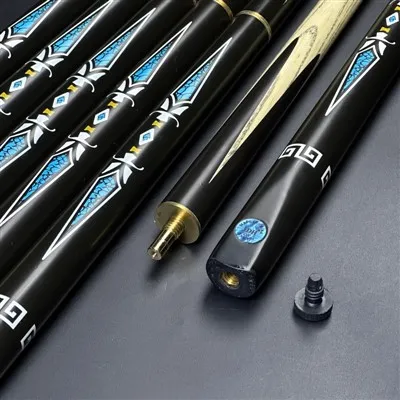
Different types of pool cues may require different types of ferrules. For example, a 48 Inch Snooker Cue is typically used in snooker, a game that requires a high level of precision. These cues often have smaller tips and may benefit from a ferrule that provides excellent energy transfer and shot control.
On the other hand, a Jump Stick Pool is designed for making jump shots. The ferrule on a jump stick needs to be able to withstand the high - impact forces generated during these shots. A phenolic resin ferrule is often a good choice for jump sticks due to its durability and energy - transfer properties.
A 1/2 Pool Rest is a tool used to assist players in making shots when the cue ball is out of reach. While the ferrule on a pool rest may not be as critical as on a regular cue, it still plays a role in providing stability and support for the tip.
Conclusion
In conclusion, the ferrule is an essential component of a pool cue that plays a multifaceted role. It provides a stable base for the tip, enhances energy transfer, improves durability, and contributes to the aesthetics of the cue. The choice of ferrule material can have a significant impact on a player's performance, shot control, and overall playing experience.
As a pool cue supplier, I understand the importance of offering high - quality ferrules that meet the diverse needs of players. Whether you're a professional player looking for the ultimate in performance or a casual player just starting out, we have a wide range of pool cues with different ferrules to choose from.
If you're interested in purchasing a pool cue or have any questions about ferrules or other components of pool cues, please don't hesitate to contact us. We're here to help you find the perfect cue for your game.
References
- "The Complete Guide to Pool Cues" by Billiards World Magazine
- "Pool Cue Technology and Design" by Pool Cue Experts Association