Hey there, pool enthusiasts! If you're into the game of pool, you know that having the right equipment can make all the difference. As a jump cue supplier, I've seen firsthand how a good jump cue can take your game to the next level. In this blog post, I'm going to share some techniques for using a jump cue effectively.
Understanding the Jump Cue
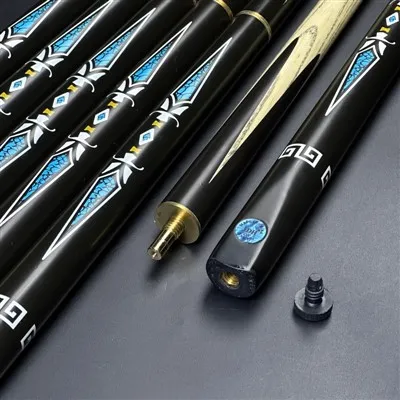
First things first, let's talk about what a jump cue is. A jump cue is a specialized pool cue designed to help you execute jump shots. Unlike a regular pool cue, a jump cue is typically shorter and lighter, with a smaller tip. This makes it easier to generate the force needed to lift the cue ball off the table and over an obstructing ball.
There are different types of jump cues available on the market. For example, you have the Jump Stick Pool, which is a popular choice for many players. It's lightweight and easy to handle, making it great for beginners. Then there's the 1/2 Break Cue, which combines the features of a break cue and a jump cue. And if you're looking for something high - tech, the Carbon Fiber Jump Break Cue offers excellent performance and durability.
Proper Grip
The way you grip the jump cue is crucial for a successful jump shot. You want to hold the cue with a firm but not overly tight grip. A common grip for jump shots is the closed - bridge grip. Place your hand on the table, forming a bridge with your thumb and index finger. Then, place the cue in the bridge, making sure it's centered.
Your backhand grip should be relaxed. Hold the cue near the end, using your thumb and fingers to control it. Don't squeeze too hard, as this can affect your stroke. When you're ready to take the shot, your grip should allow for a smooth and powerful motion.
Stance
Your stance plays a big role in your jump shot. Stand with your feet shoulder - width apart, with your dominant foot slightly forward. This gives you a stable base and helps you transfer your weight effectively. Keep your body straight and your eyes focused on the target.
Make sure your body is aligned with the shot. Your head should be in a position where you can clearly see the cue ball and the object ball. A good stance will help you maintain balance and control during the shot.
The Jump Shot Technique
Now, let's get into the actual jump shot technique. First, position the cue ball close to the obstructing ball. You want to aim the cue at the bottom of the cue ball. The angle of the cue is important here. You need to hit the cue ball at a steep angle to get it to lift off the table.
As you take your shot, use a quick and powerful stroke. The key is to generate enough force to lift the cue ball over the obstructing ball. You don't want to use a long, drawn - out stroke. Instead, a short, sharp stroke is more effective.
When you strike the cue ball, follow through with your stroke. This helps to ensure that you transfer all the energy from your cue to the ball. After the shot, watch the path of the cue ball to see if it clears the obstructing ball and reaches the target.
Practice Makes Perfect
Like any skill in pool, using a jump cue takes practice. You won't master the jump shot overnight. Start by practicing on an empty table. Set up a few balls and try different jump shots. Experiment with different angles and strokes to see what works best for you.
As you get more comfortable, you can start practicing with other players. Try incorporating jump shots into your regular games. This will help you get used to using the jump cue in a real - game situation.
Tips for Beginners
If you're new to using a jump cue, here are some tips to help you get started. First, don't be afraid to make mistakes. Everyone starts somewhere, and it takes time to learn the proper technique.
Second, watch videos of professional players using jump cues. You can learn a lot by observing their techniques and styles. There are many pool - related channels on YouTube that offer great tutorials on jump shots.
Finally, don't overcomplicate things. Keep it simple and focus on the basics. Once you have the fundamentals down, you can start to experiment with more advanced techniques.
Choosing the Right Jump Cue
As a jump cue supplier, I know how important it is to choose the right jump cue for your needs. Consider your skill level, playing style, and budget when making your decision.
If you're a beginner, a lightweight and easy - to - handle jump cue like the Jump Stick Pool might be a good choice. It will help you get used to the feel of a jump cue without being too overwhelming.
If you're more experienced and looking for a cue that can handle both jump and break shots, the 1/2 Break Cue could be a great option. And if you're willing to invest in a high - quality cue, the Carbon Fiber Jump Break Cue offers top - notch performance.
Maintenance of Your Jump Cue
Taking care of your jump cue is essential to ensure its longevity and performance. After each use, clean the cue with a soft cloth to remove any chalk or debris. You can also use a cue cleaner to keep the shaft in good condition.
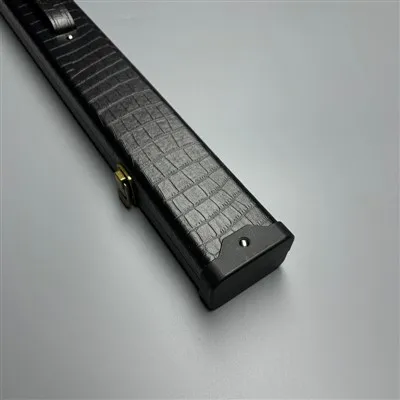
Store your jump cue in a cue case when not in use. This will protect it from damage and keep it straight. Avoid leaving your cue in extreme temperatures or humidity, as this can affect the wood or carbon fiber.
Conclusion
Using a jump cue is a skill that can add a new dimension to your pool game. By mastering the proper techniques, choosing the right cue, and taking good care of it, you can become a pro at jump shots.
If you're interested in purchasing a jump cue or have any questions about our products, feel free to reach out. We're here to help you find the perfect jump cue for your game. Whether you're a beginner or a seasoned pro, we have a wide range of jump cues to suit your needs.


So, what are you waiting for? Start practicing those jump shots and take your pool game to the next level!
References
- "The Complete Guide to Pool Cues" by Pool Cue Experts
- "Advanced Pool Techniques" by Billiards Magazine