American pool, a popular cue sport in the United States and around the world, encompasses a variety of games, each with its own unique rules, strategies, and characteristics. As an American pool supplier, I have had the privilege of witnessing the diverse nature of these games and the joy they bring to players of all skill levels. In this blog post, I will explore the different types of American pool games, providing insights into their rules, gameplay, and popularity.
8-Ball
8-Ball is perhaps the most well-known and widely played American pool game. It is a two-player or two-team game played on a standard 8-foot or 9-foot pool table. The game begins with a break shot, where the player attempts to scatter the 15 object balls (numbered 1 through 15) and the cue ball across the table. The player who pockets a ball on the break has the option to choose either solids (balls numbered 1 through 7) or stripes (balls numbered 9 through 15) as their group. The goal of the game is to pocket all of your assigned group of balls and then the 8-ball to win.
One of the key strategies in 8-Ball is to plan your shots carefully and try to leave the cue ball in a favorable position for your next shot. It is also important to be aware of your opponent's balls and try to block them from making easy shots. 8-Ball is a game that requires a combination of skill, strategy, and luck, making it a favorite among casual and competitive players alike.
9-Ball
9-Ball is another popular American pool game that is often played in tournaments and professional settings. It is a two-player game played on a standard 9-foot pool table. The game begins with the 9 balls (numbered 1 through 9) arranged in a diamond shape at the foot of the table. The player who breaks the rack must hit the lowest numbered ball first and then pocket any ball on the table. The goal of the game is to pocket the 9-ball, which is typically the last ball remaining on the table.
In 9-Ball, the order of the balls is important, as players must always hit the lowest numbered ball first. This adds an extra layer of strategy to the game, as players must plan their shots carefully to ensure they can reach the 9-ball. 9-Ball is known for its fast-paced and exciting gameplay, making it a favorite among players who enjoy a challenge.
Straight Pool
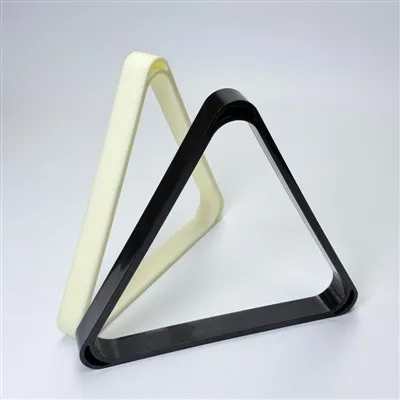
Straight Pool, also known as 14.1 Continuous, is a classic American pool game that requires a high level of skill and concentration. It is a two-player game played on a standard 9-foot pool table. The game begins with the 15 object balls arranged in a triangle at the foot of the table. The player who breaks the rack must pocket a ball on the break or else the other player has the option to take over the table.
In Straight Pool, players can pocket any ball on the table, and they continue to shoot until they miss a shot. Each time a player pockets a ball, they score one point. The goal of the game is to reach a predetermined number of points, typically 100. Straight Pool is a game that requires a combination of precision, strategy, and patience, as players must carefully plan their shots and manage their resources to avoid missing a shot.
One-Pocket
One-Pocket is a strategic American pool game that is played on a standard 8-foot or 9-foot pool table. It is a two-player game where each player is assigned one of the corner pockets as their designated pocket. The goal of the game is to pocket 8 balls into your designated pocket before your opponent does.
One-Pocket is a game that requires a high level of skill and strategy, as players must carefully plan their shots and try to control the position of the cue ball. It is also important to be aware of your opponent's balls and try to block them from making easy shots. One-Pocket is a game that is often played in tournaments and professional settings, as it requires a high level of skill and concentration.
Bank Pool
Bank Pool is a variation of American pool that involves banking the object balls off the cushions of the pool table to pocket them. It is a two-player or two-team game played on a standard 8-foot or 9-foot pool table. The game begins with the 15 object balls arranged in a triangle at the foot of the table. The player who breaks the rack must pocket a ball on the break or else the other player has the option to take over the table.
In Bank Pool, players can pocket the object balls by banking them off the cushions of the pool table. This adds an extra layer of strategy to the game, as players must carefully plan their shots and take into account the angle of the cushion. Bank Pool is a game that requires a combination of skill, strategy, and precision, making it a favorite among players who enjoy a challenge.
Rotation
Rotation is a fast-paced American pool game that is played on a standard 9-foot pool table. It is a two-player or two-team game where the goal is to pocket the balls in numerical order, starting with the 1-ball and ending with the 9-ball. The game begins with the 9 balls arranged in a diamond shape at the foot of the table. The player who breaks the rack must hit the 1-ball first and then pocket any ball on the table.
In Rotation, players must always hit the lowest numbered ball first and then pocket it. If a player pockets a ball out of order, they lose their turn. The first player to pocket all 9 balls in numerical order wins the game. Rotation is a game that requires a combination of speed, accuracy, and strategy, making it a favorite among players who enjoy a fast-paced and exciting game.
Bar Pool
Bar Pool is a casual American pool game that is often played in bars and pubs. It is a two-player or two-team game played on a smaller pool table, typically 7 feet in length. The game is similar to 8-Ball, but with some variations in the rules. For example, in Bar Pool, the player who breaks the rack must pocket a ball on the break or else the other player has the option to take over the table.
Bar Pool is a game that is designed to be fun and accessible for players of all skill levels. It is often played for money or as a friendly competition among friends. Bar Pool is a popular game in bars and pubs around the world, as it provides a social and entertaining way to enjoy the game of pool.
Conclusion
As an American pool supplier, I have had the opportunity to see firsthand the diversity and popularity of American pool games. Each game has its own unique rules, strategies, and characteristics, making them appealing to players of all skill levels. Whether you are a casual player looking for a fun and social game or a competitive player looking for a challenge, there is an American pool game for you.


If you are interested in purchasing American pool equipment, such as Small Billiard Balls, American Standard Pool, or Oversized Cue Ball, please feel free to contact us to discuss your needs. We are committed to providing high-quality products and excellent customer service to help you enjoy the game of American pool to the fullest.
References
- "The Official Rules of American Pool." Billiards Congress of America.
- "American Pool Games: A Comprehensive Guide." Pool and Billiard Magazine.
- "The History and Evolution of American Pool." Smithsonian Magazine.