Billiards is a popular sport worldwide, enjoyed by amateurs and professionals alike. One crucial element in the game is billiard chalk, which is applied to the cue tip to increase friction and control. But have you ever wondered how billiard chalk performs in high - altitude areas? As a billiard chalk supplier, I've delved into this topic to provide you with comprehensive insights.
The Basics of Billiard Chalk
Before we explore the performance in high - altitude areas, let's understand the basic function of billiard chalk. When a player strikes the cue ball, the chalk on the cue tip prevents the cue from slipping off the ball. It does this by increasing the coefficient of friction between the cue tip and the ball. This allows for more precise shots, better spin control, and overall improved gameplay.
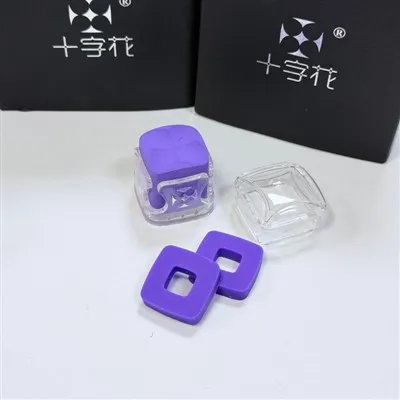
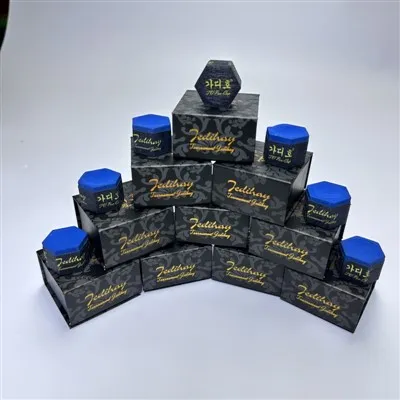
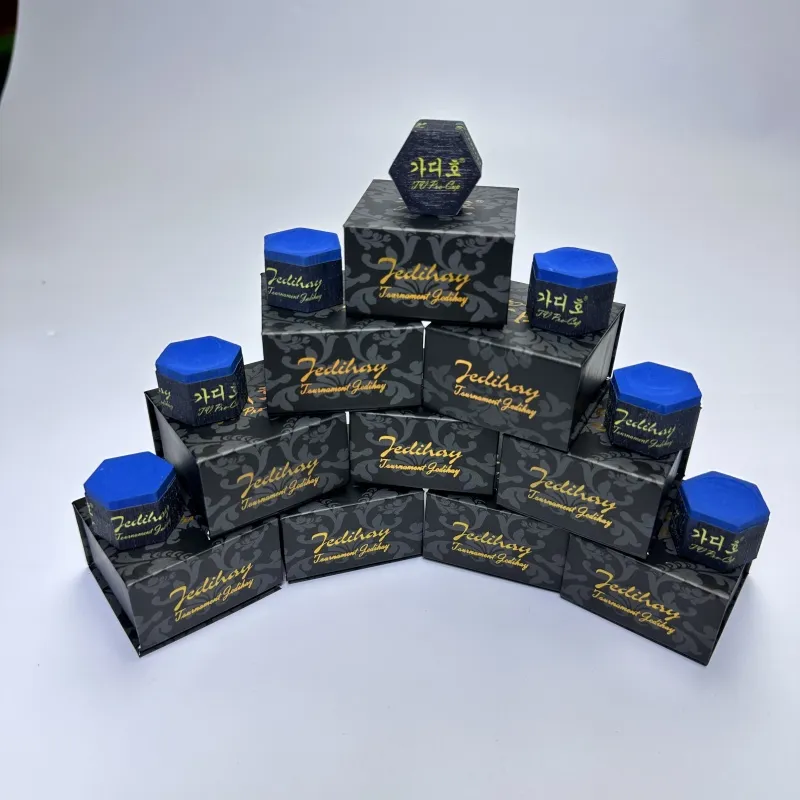
There are different types of billiard chalk available in the market. For instance, Buck Chalk is known for its high - quality and long - lasting performance. Cross Chalk is another popular option, favored by many players for its consistent grip. And the Jedihay Chalk Membership Pack offers a great value for those who use chalk frequently.
High - Altitude Conditions and Their Impact on Billiard Chalk
High - altitude areas are characterized by lower air pressure and generally drier conditions compared to sea - level areas. These environmental factors can significantly affect the performance of billiard chalk.
Air Pressure
At high altitudes, the air pressure is lower. This can cause the chalk to become more brittle. The lower air pressure means that there is less force compressing the chalk particles together. As a result, the chalk may crumble more easily when applied to the cue tip. This can lead to inconsistent application, with some parts of the tip having more chalk than others. In turn, this affects the friction between the cue tip and the ball, potentially leading to less accurate shots.
Humidity
High - altitude areas are often drier. Billiard chalk absorbs moisture from the air to some extent. In a dry environment, the chalk loses this moisture, which can make it harder and less malleable. A harder chalk may not adhere as well to the cue tip, and it may be more difficult to spread evenly. This can also reduce the effectiveness of the chalk in providing the necessary friction for a good shot.
Testing Billiard Chalk in High - Altitude Areas
To understand the real - world impact, we conducted several tests in high - altitude locations. We set up billiard tables in areas with altitudes ranging from 1500 meters to 3000 meters. Different types of chalk, including Buck Chalk, Cross Chalk, and the Jedihay Chalk Membership Pack, were used in these tests.
We measured the friction coefficient between the cue tip and the ball before and after applying the chalk. We also observed how easily the chalk could be applied to the cue tip and how long it lasted during gameplay.
The results showed that in high - altitude areas, all types of chalk experienced some changes in performance. The chalk became more brittle, and the application process was more challenging. However, Buck Chalk seemed to hold up better than the others. It maintained a relatively stable friction coefficient, even in the drier and lower - pressure conditions. This could be due to its unique formulation, which may be more resistant to the effects of high - altitude environments.
Adapting to High - Altitude Conditions
If you're playing billiards in a high - altitude area, there are several things you can do to ensure the best performance from your billiard chalk.
Storage
Proper storage is crucial. Keep the chalk in a sealed container with a small amount of moisture - absorbing material. This can help maintain the chalk's moisture content and prevent it from becoming too dry and brittle.

Application
When applying the chalk, be more gentle. Since the chalk is more brittle, applying too much pressure can cause it to crumble. Use a light, even stroke to apply the chalk to the cue tip.
Frequency of Application
You may need to apply the chalk more frequently in high - altitude areas. The reduced effectiveness of the chalk means that it wears off more quickly during gameplay.
Our Role as a Billiard Chalk Supplier
As a billiard chalk supplier, we understand the challenges faced by players in high - altitude areas. We are constantly researching and developing new formulations to improve the performance of our chalk in these conditions. Our goal is to provide high - quality chalk that can withstand the unique environmental factors of high - altitude regions.
We offer a wide range of billiard chalk products, including Buck Chalk, Cross Chalk, and the Jedihay Chalk Membership Pack. Our products are designed to provide consistent friction and reliable performance, regardless of the altitude.
Contact Us for Your Billiard Chalk Needs
If you're interested in purchasing high - quality billiard chalk, especially for use in high - altitude areas, we'd love to hear from you. Whether you're a professional player, a billiard hall owner, or just an enthusiast, we can provide the right chalk for your needs.
We offer competitive prices, excellent customer service, and fast shipping. Contact us to discuss your requirements and start enjoying the best billiard chalk on the market.
References
- "The Physics of Billiards" by Robert G. Brown
- "Billiard Chalk: A Comprehensive Guide" by Billiards Magazine