Can Cross Chalk be used on metal?
As a supplier of Cross Chalk, I often receive inquiries about the versatility of our product. One common question that arises is whether Cross Chalk can be used on metal surfaces. In this blog post, I will delve into this topic and provide you with a comprehensive answer based on scientific knowledge and practical experience.


Understanding Cross Chalk
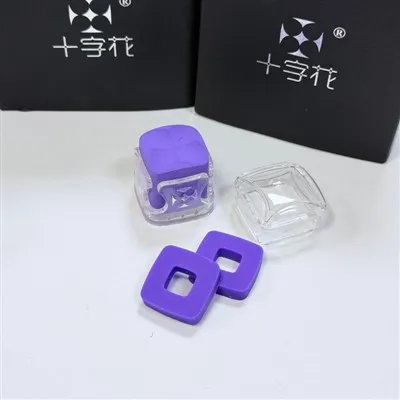
Cross Chalk is a high - quality chalk product known for its excellent marking properties. It is widely used in various industries for different marking purposes. The chalk is formulated to provide clear and long - lasting marks, making it a popular choice for many applications.
The Properties of Metal Surfaces
Metal surfaces have unique characteristics. They are generally smooth, non - porous, and can be highly reflective. Metals can also have different finishes, such as polished, brushed, or matte. These properties can have a significant impact on how well chalk adheres to the surface.
Adhesion of Cross Chalk on Metal
The ability of Cross Chalk to adhere to metal depends on several factors. Firstly, the surface condition of the metal is crucial. If the metal surface is clean and free of grease, oil, or other contaminants, the chalk is more likely to adhere. However, if the metal has a greasy or oily film, the chalk will have difficulty sticking.
Secondly, the type of metal also matters. Some metals, like stainless steel, have a smooth and dense surface, which can make it challenging for the chalk to adhere. On the other hand, metals with a rougher texture, such as cast iron, may provide better adhesion for the chalk.
In general, Cross Chalk can be used on metal, but the marks may not be as long - lasting as on porous surfaces like wood or cardboard. The marks on metal are more likely to be rubbed off easily, especially if there is physical contact or movement.
Applications of Cross Chalk on Metal
Despite the challenges of adhesion, there are still several applications where Cross Chalk can be useful on metal surfaces.
- Industrial Marking: In manufacturing and construction industries, Cross Chalk can be used to mark metal parts for identification, measurement, or assembly purposes. For example, workers can use the chalk to mark the cutting lines on metal sheets or to indicate the position of holes on metal components.
- Art and Craft: Artists and crafters may use Cross Chalk on metal surfaces for temporary markings during the creative process. It can be used to sketch designs on metal plates before engraving or painting.
- Automotive and Machinery: In the automotive and machinery industries, Cross Chalk can be used to mark parts for maintenance, repair, or replacement. Mechanics can mark the position of bolts, nuts, or other components to ensure proper reassembly.
Comparing with Other Chalks
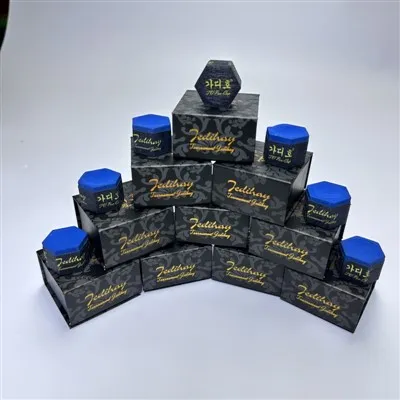
There are other types of chalk available in the market, such as Good Cat Chalk, Buck Chalk, and Jedihay Chalk. Each of these chalks has its own unique properties.
Cross Chalk is designed to provide a good balance between adhesion and ease of marking. While some other chalks may offer better adhesion on metal, they may be more difficult to remove or may leave a residue. Cross Chalk, on the other hand, can be easily removed with a simple wipe, making it a convenient choice for temporary markings on metal.
Tips for Using Cross Chalk on Metal
If you plan to use Cross Chalk on metal, here are some tips to ensure the best results:
- Clean the Surface: Before applying the chalk, make sure the metal surface is clean and dry. You can use a degreaser or a mild detergent to remove any grease or dirt.
- Apply Firm Pressure: When marking with the chalk, apply firm pressure to ensure that the chalk particles adhere to the metal surface.
- Avoid Abrasion: To make the marks last longer, try to avoid rubbing or scratching the marked area.
Conclusion
In conclusion, Cross Chalk can be used on metal surfaces, although the adhesion may not be as strong as on porous materials. It has various applications in industrial, art, and automotive fields. Compared to other chalks, Cross Chalk offers a good balance between adhesion and ease of removal.
If you are interested in purchasing Cross Chalk for your specific needs, feel free to contact us for further details and to discuss your requirements. We are committed to providing high - quality products and excellent customer service.
References
- "Surface Properties of Metals" - Metallurgy Handbook
- "Chalk and Its Applications" - Industrial Materials Journal